Local honey at Bayshore Market
Local honey is one of the most useful specialty products in a neighborhood market. It works for everyday pantry use, breakfast, tea, baking, marinades, salad dressings, cheese boards, fruit pairings, and simple gifts.
Bayshore Market presents local honey as part of a complete market experience rather than an isolated product. A customer can visit for produce, flowers, gourmet foods, or weekly features and still discover honey as a useful addition to the basket.
For 2026, local honey content should stay practical and customer-focused. The page supports specialty food intent while staying connected to the broader Bayshore Market niche: local market, gourmet food market, fresh produce, flowers, specialty products, and weekly selections.
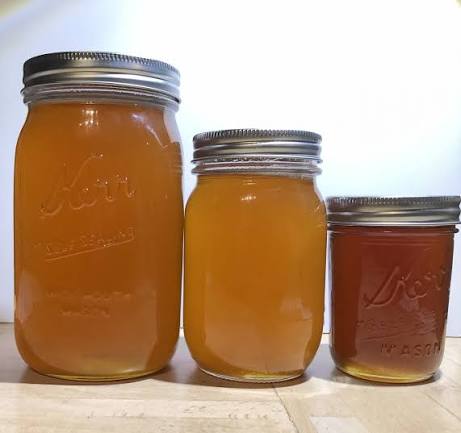
Why local honey belongs in a gourmet market
A gourmet food market does not need to be complicated. It should offer products that customers understand, enjoy, and use often. Honey fits that role perfectly because it works across breakfast, snacks, hot drinks, desserts, dressings, roasted vegetables, fresh fruit, and market-style gift hampers.
Local honey also adds personality to the shelf. It feels more connected to place than generic pantry products. For Bayshore Market, that makes honey a strong bridge between local food shopping and specialty product discovery.
Everyday use
Honey works with tea, toast, yogurt, oatmeal, fruit, baking, and simple dressings.
Produce and gourmet foods
Honey pairs with fresh fruit, cheese boards, crackers, sauces, and specialty foods.
Simple local value
Honey is easy to add to gift hampers, flowers, host gifts, and seasonal market baskets.
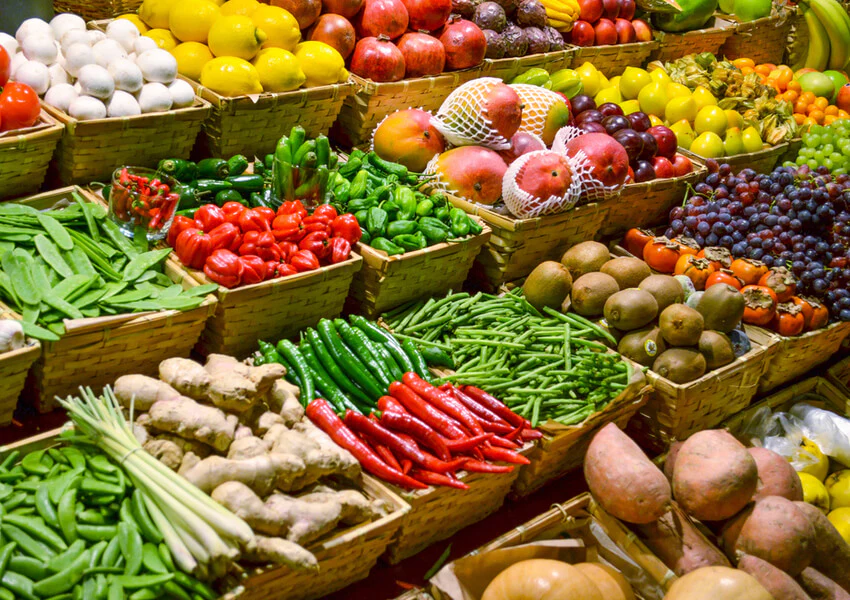
Honey and fresh produce pairings
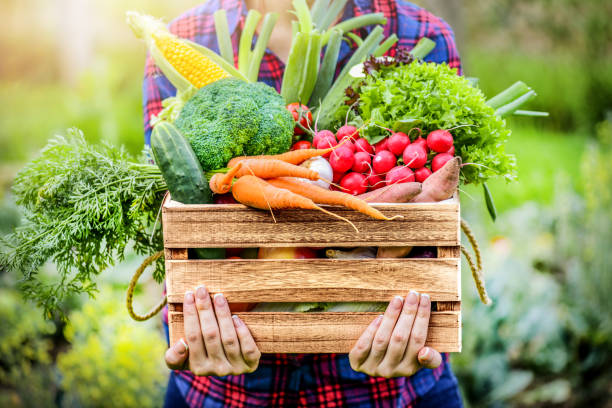
Honey pairs naturally with fruit, breakfast bowls, salad ingredients, roasted vegetables, and simple homemade dressings. This makes it a strong companion to the fresh produce category. Customers who buy produce can easily add honey for flavor, gifting, or pantry use.
Connecting honey to fresh produce also supports a stronger website structure. The local-honey page and fresh-produce page reinforce each other while staying inside the same local market niche.
Honey with gourmet foods and specialty products
Honey can elevate simple gourmet items. It works with crackers, cheese, spreads, pastries, specialty snacks, sauces, and seasonal products. A small jar of honey can turn an ordinary basket into a more thoughtful gift or make a quick at-home spread feel complete.
For Bayshore Market, this connection matters because local honey supports the gourmet-foods and specialty-products pages. It gives customers a product they understand while giving search engines a clear topical link between market categories.
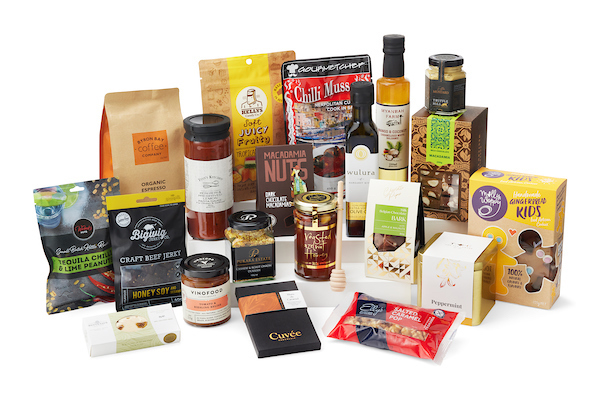
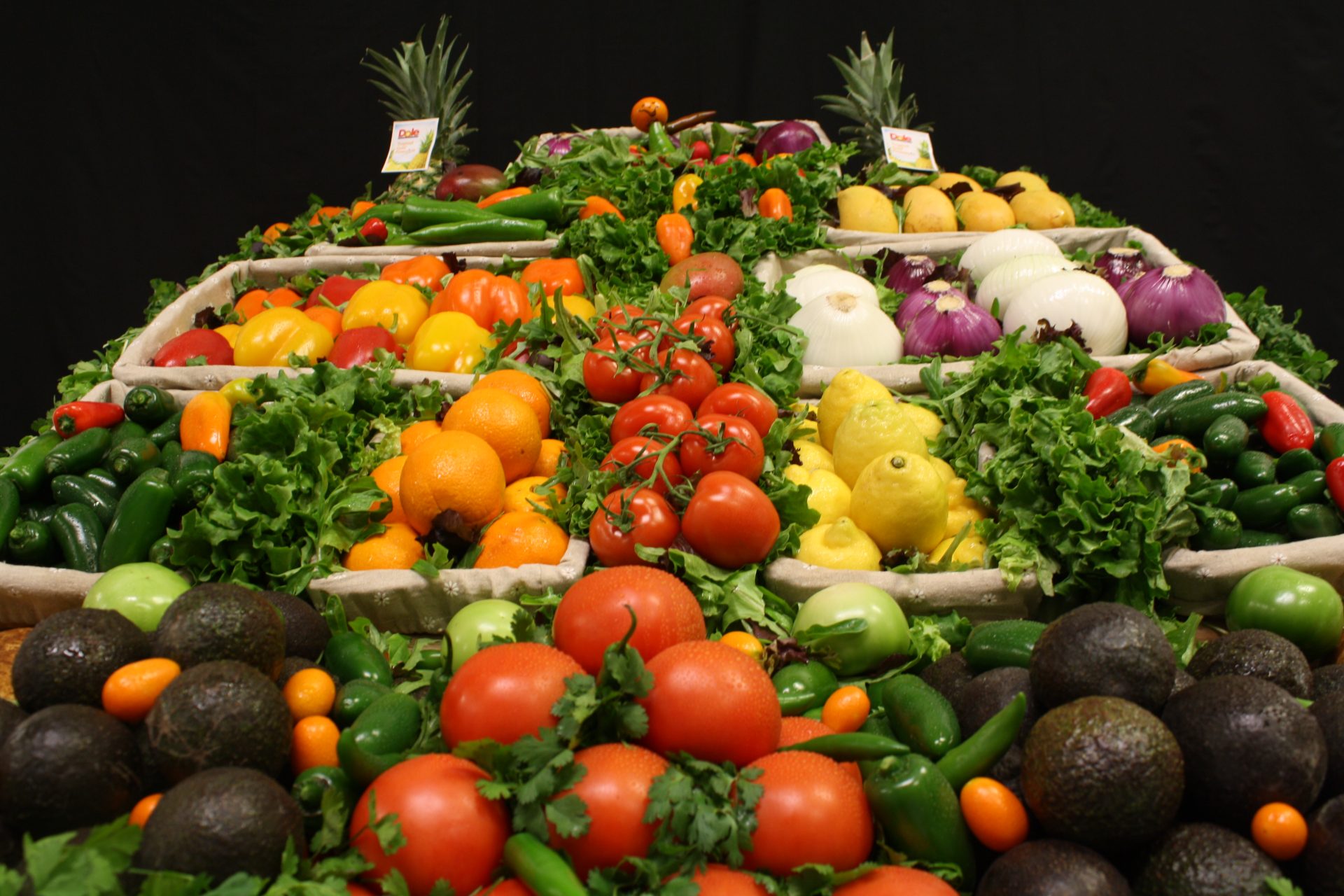
Specialty food value without overcomplication
Specialty food products should feel interesting but still easy to buy. Honey does this well. It is familiar, useful, and flexible. Customers do not need a long explanation to understand why it belongs in a market basket.
The local-honey page should remain grounded in real use cases: tea, breakfast, fruit, baking, dressings, cheese boards, gift hampers, and seasonal features. That keeps the page natural and avoids thin product copy.
Keep honey inside the market niche
The safest restoration approach is to treat local honey as a specialty food and gift-friendly pantry product. It should connect to produce, gourmet foods, specialty products, flowers, and weekly features without drifting into unrelated health claims or medical language.
Flowers, honey, and easy gifting
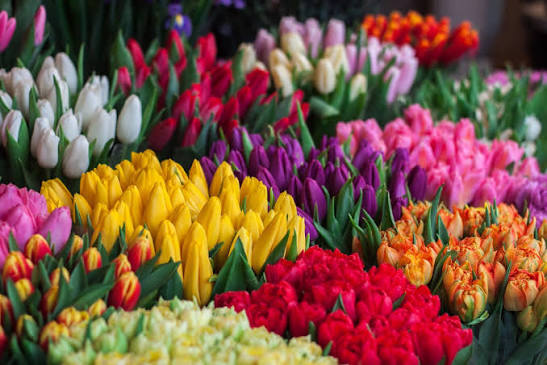
Honey and flowers make a natural market gift combination. A customer may want a fresh bouquet, a jar of honey, and a small gourmet item for a host gift, thank-you gesture, or seasonal basket. This gives Bayshore Market more customer use cases without leaving the local market concept.
The flowers category supports visual appeal, while honey adds practical shelf value. Together, they make the market feel more complete and memorable.
Gift hampers and honey baskets
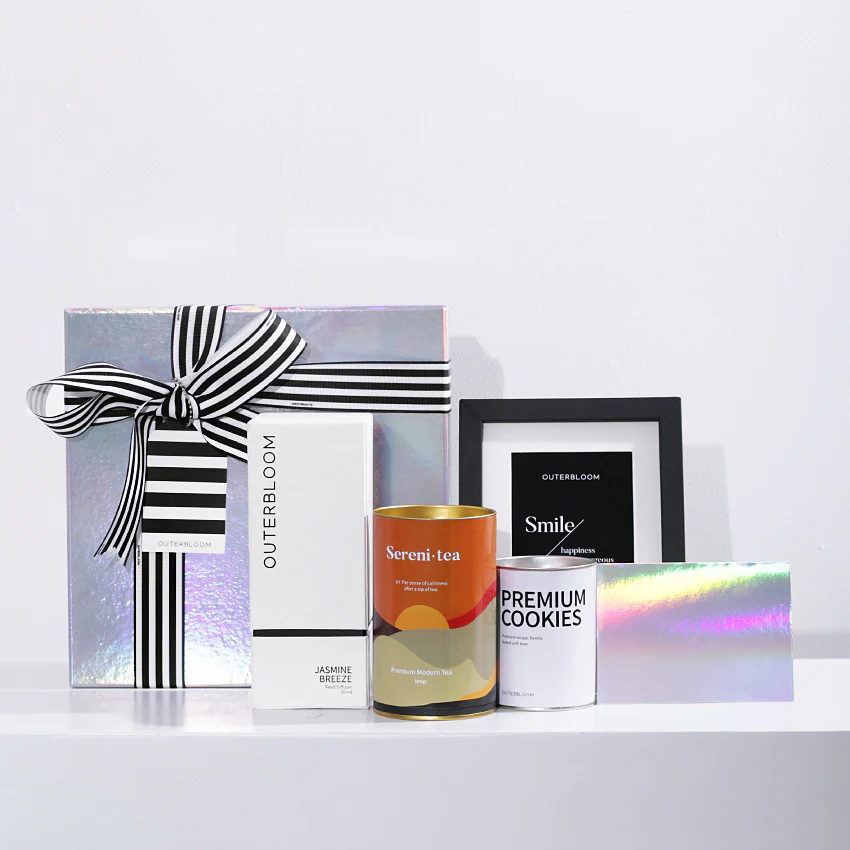
Gift hampers are one of the strongest ways to present local honey. A hamper can include honey, crackers, spreads, flowers, seasonal produce, and specialty foods. This creates an easy gift idea for holidays, dinner hosts, office gestures, and local thank-you moments.
For SEO, gift hamper content should support the specialty-products page while keeping honey as a clear product topic. It gives the website a practical commercial category without forcing unrelated content.
Weekly honey features
Bayshore Market can use weekly features to highlight honey pairings, produce ideas, flower combinations, and specialty food baskets. This makes the local-honey category feel current in 2026 while still keeping the page evergreen.
Weekly features should stay simple: product ideas, seasonal pairings, market basket suggestions, and category links. This supports visitors without creating keyword-stuffed update pages.

Visit Bayshore Market for local honey
Bayshore Market is located at 3200 Bayshore Dr, Naples, FL 34112, United States. Customers can call +1 239-788-4870 for questions about local honey, fresh produce, flowers, gourmet foods, specialty products, weekly selections, and gift hampers.
Consistent name, address, phone, schema, footer, and visible content help the website stay clear for both users and search engines. This page keeps the local honey topic connected to the real market location.
5-star local honey experience focus
“The local honey page makes sense for Bayshore Market. It connects honey with produce, gourmet foods, flowers, specialty products, and gift hampers in a natural way.”
Review rating: 5 out of 5 stars
FAQ about local honey at Bayshore Market
What can local honey be used for?
Local honey can be used for tea, toast, breakfast bowls, yogurt, baking, marinades, salad dressings, cheese boards, and gift hampers.
Where is Bayshore Market located?
Bayshore Market is located at 3200 Bayshore Dr, Naples, FL 34112, United States. The phone number is +1 239-788-4870.
Does local honey pair with fresh produce?
Yes. Honey pairs with fruit, breakfast items, salads, roasted vegetables, and fresh market ingredients.
Should local honey content include health claims?
No. The page should stay focused on pantry use, flavor, gifts, pairings, and market shopping rather than medical or health claims.